
Exhibitors : Previous
Marché d ‘Étropal
A Gn15 layout by Simon Dawson
Gauge 16.5mm
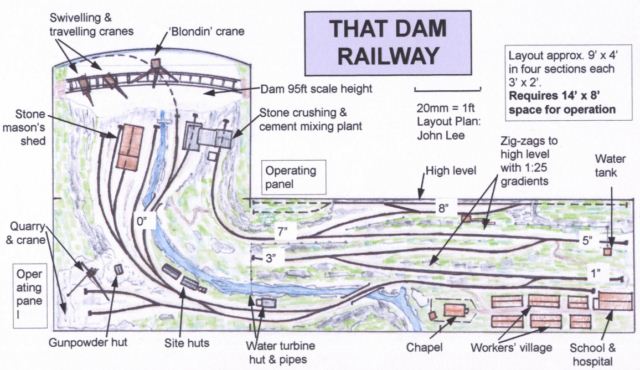
That Dam Railway
A 009 layout by Chelmsford Model Railway Club
Scale 009 (4mm/1ft)
Gauge 9mm
Size 9’ x 4’
https://narrowgaugenorth.org.uk/index.php/societies/previous-years/85-public-news/exhibitors-previous?start=140#sigProId73461f8d53
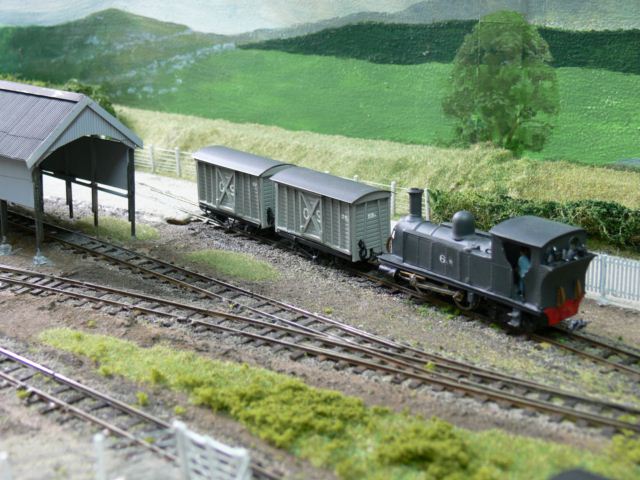
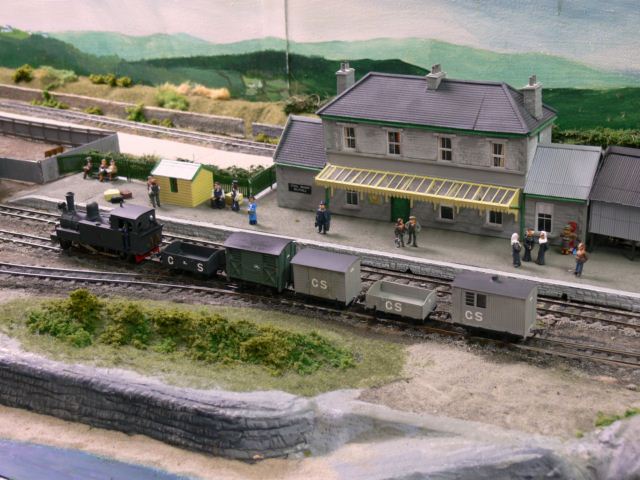
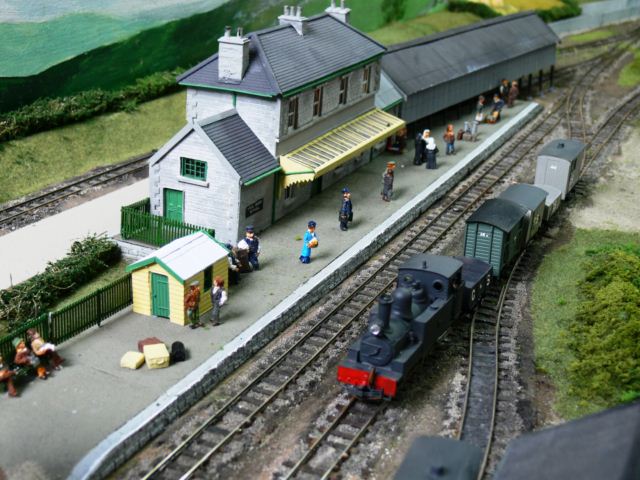
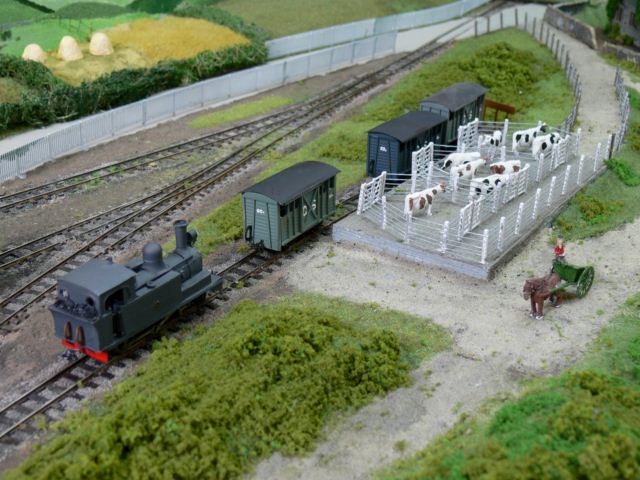
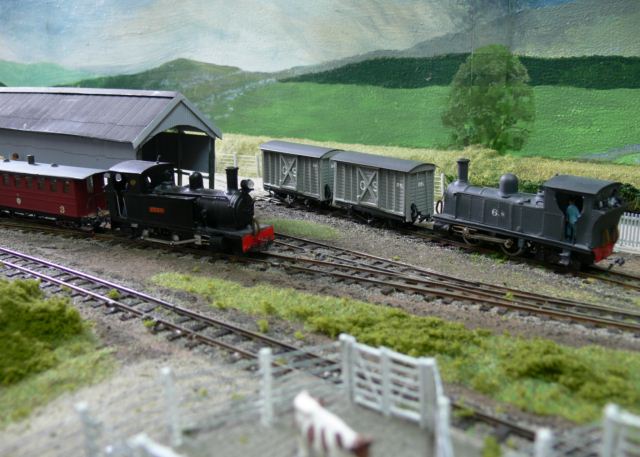
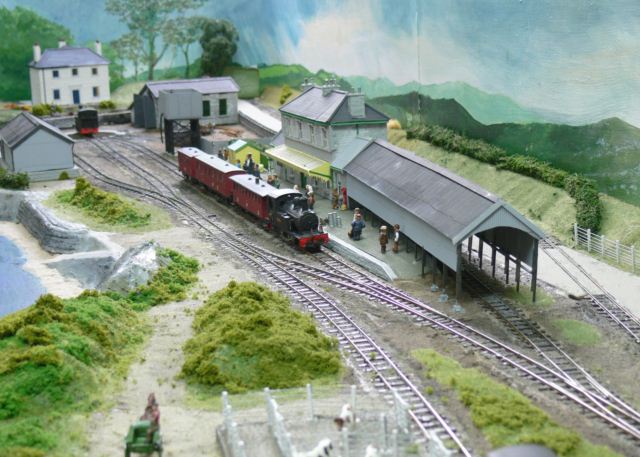
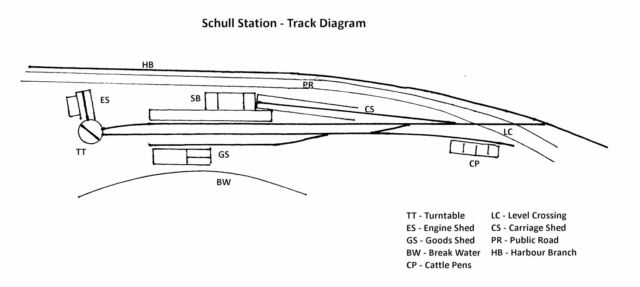
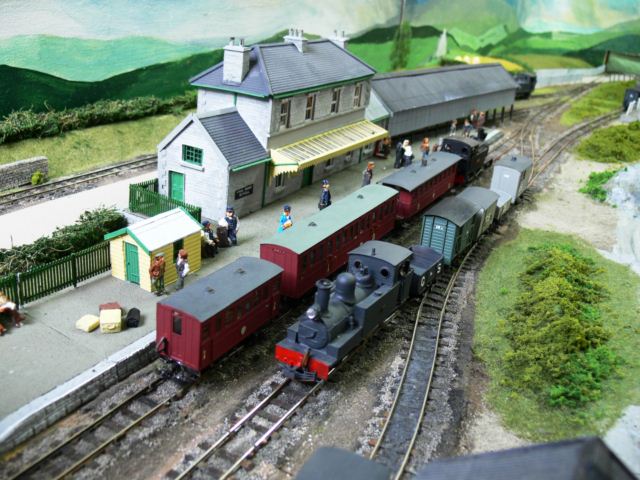
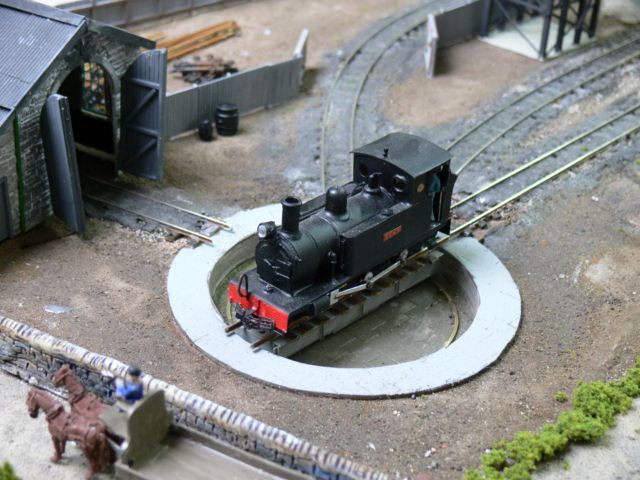
Schull
|
A 00n3 layout by Dr Alan Gee |
 |
-
 Title
Title
-
Title
Title
-
Title
Title
-
Title
Title
-
Title
Title
-
Title
Title
-
Title
Title
-
Title
Title
-
Title
Title
https://narrowgaugenorth.org.uk/index.php/societies/previous-years/85-public-news/exhibitors-previous?start=140#sigProId10a885a13e
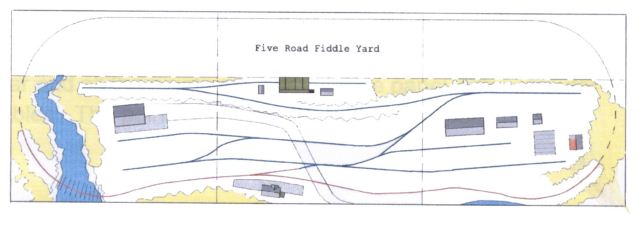
Racoon Canyon Mining
A 0n30 layout by Tony Kell
Scale 0n30
Size 12’ x 3’6"
Some time ago I got the On30 bug. I'm still not cured and so as a form of therapy I have built this layout which is loosely based on American prototype, set high in the mountains, where the Arithmetic Either Ore is mined. This is sent to "Algebra" down in the valley, along the narrow gauge line, where it is worked out. In addition to this, NO...no more mathematical puns! Enough!
Unfortunately the bears seem to have eaten all the Racoons, as I don't see any left in the hills around the mine, but there are a number of other critters scuttling about the place.
The layout is operated with a Lenz DCC system, and many of the locos have "on board" sound systems...chuff chuff chuff, clang, clang...you get the picture.
The track is PECO 7mm narrow gauge track painted and weathered to make it look old. The mountains are made of polyurethane foam boars cut with a carving knife, and coated with Artex prior to painting with emulsion paint.
Some of the buildings are American laser cut wooden kits
https://narrowgaugenorth.org.uk/index.php/societies/previous-years/85-public-news/exhibitors-previous?start=140#sigProId7cd2bac671
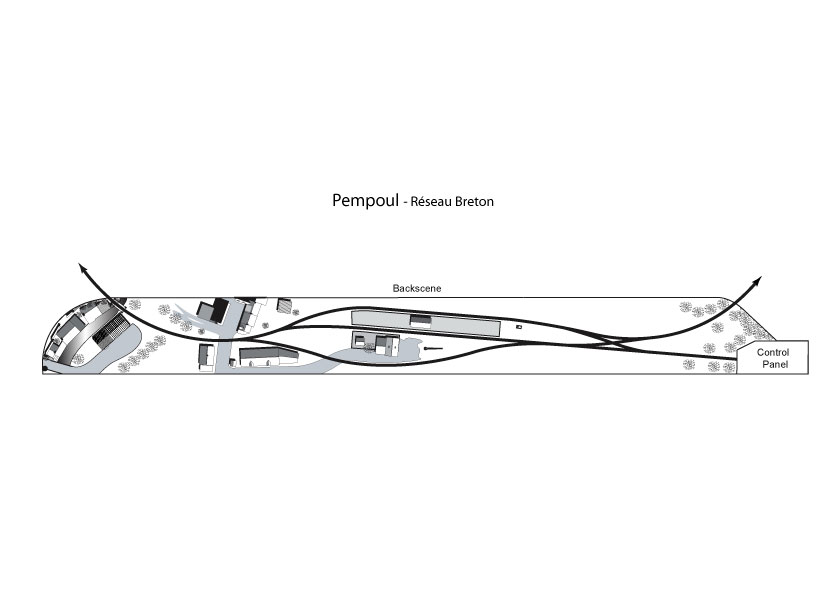
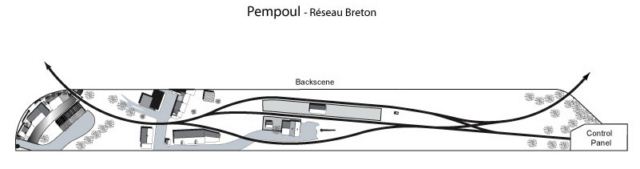
Pempoul
A 1:50 layout by Gordon and Maggie Gravett
Scale 1:50
Gauge 18.2mm
As seen on BBC 4 - 23/01/2012
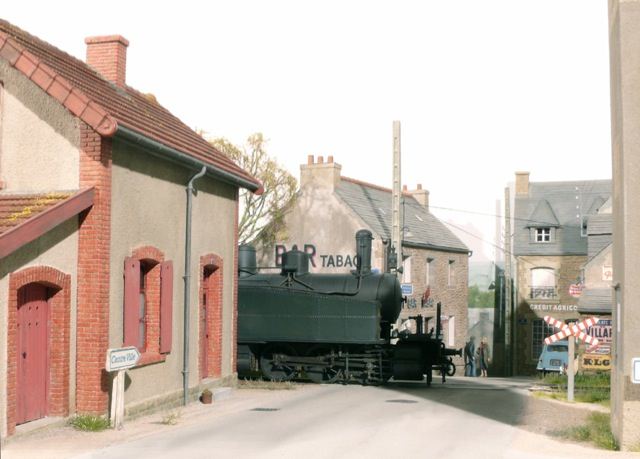
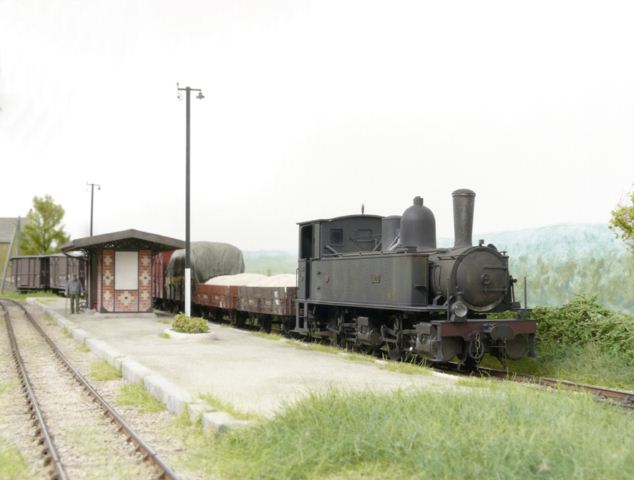
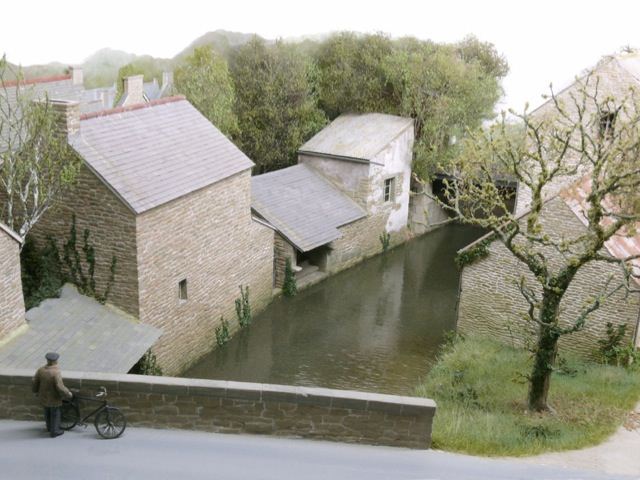
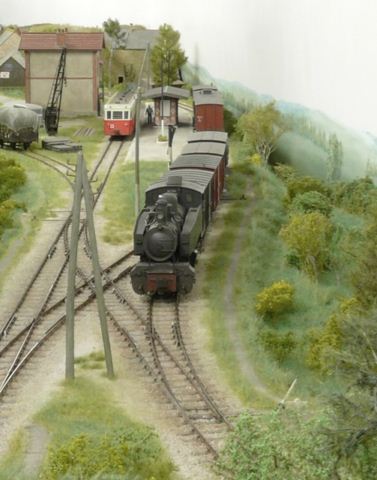
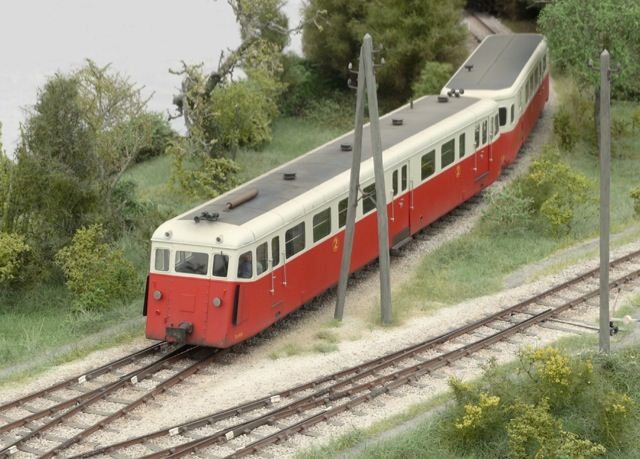
The metre gauge Reséau Breton system once served much of inland Brittany connecting rural villages and town to the SNCF main lines. It closed to all traffic in 1967. This fictitious scene depicts a small section of the railway in the last years of its life along with a taste of the area through which it ran.
There are very few (if any) commercial models or kits available for the Reséau Breton so, having accepted that everything was going to have to be built from scratch, we chose to build to a scale of 1:50. This had the advantage of giving easy to use metric dimensions: for example 1 metre = 20mm.
In an attempt to keep weight to a minimum, the baseboards utilise light weight Styrofoam (extruded polystyrene) in their construction. To the same end, the shells of the buildings are constructed from foam cored board and then covered with a thin layer of DAS modelling clay which is then scribed to represent the stone and brick of the area. Much use has also been made of the Noch ‘Gras-Master’ to give a realistic covering of ‘static grass’ to the landscape.
Having stated 20mm equates to 1 metre it may seem a contradiction to then build the track to the well proven 18.2mm gauge (EM standards). I can live with this inaccuracy and it has saved many hours in what was always going to be a very long term project.
Life is very leisurely in rural France so please take time to look at the display book on the front of the layout or feel free to interrupt to ask questions.
https://narrowgaugenorth.org.uk/index.php/societies/previous-years/85-public-news/exhibitors-previous?start=140#sigProIdf3fefe117f
Furka Oberalp
A HOm layout by Furness Model Railway Club
Scale HOm (4mm/1ft)
Gauge 12mm
Size 6’ x 7’
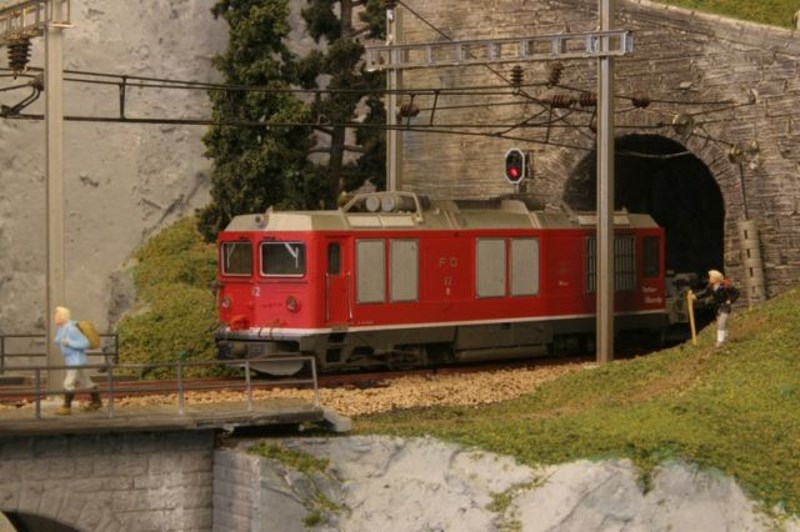
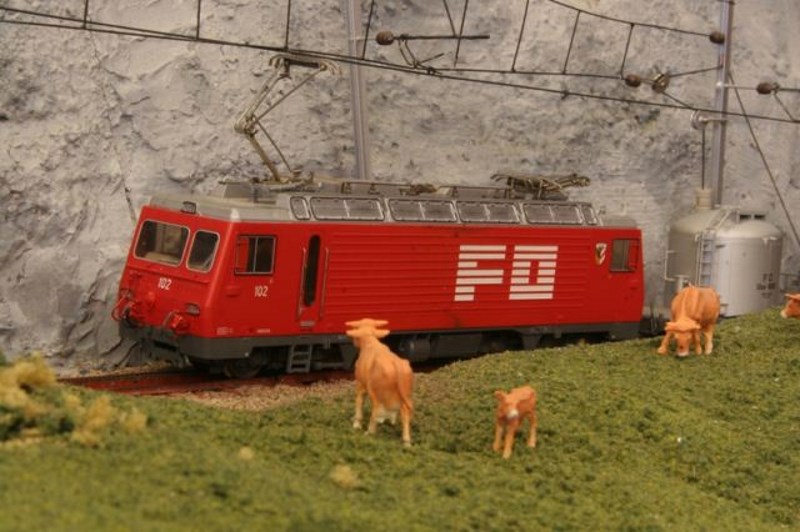
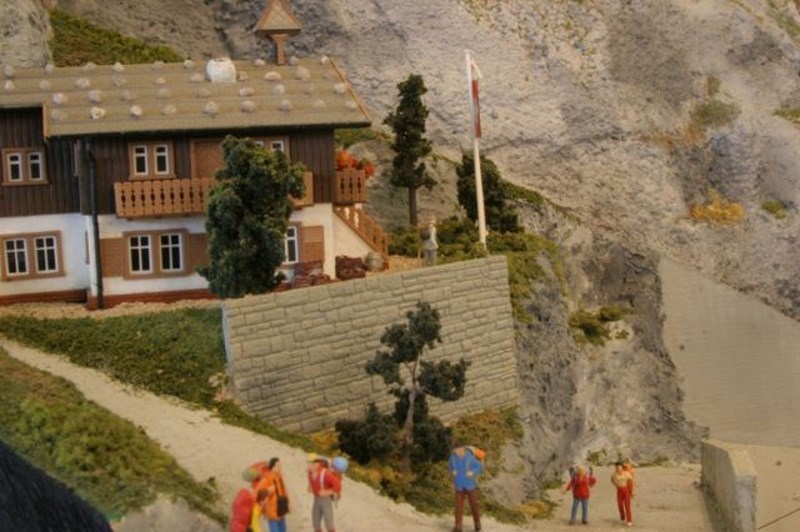
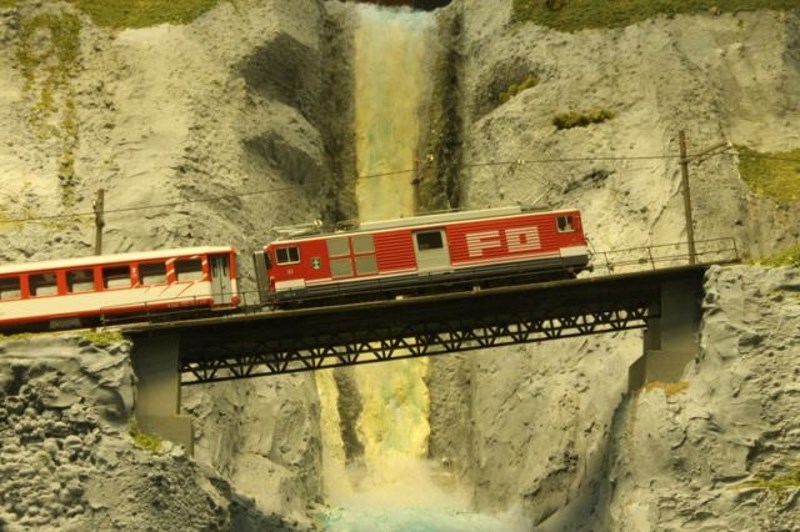
Set somewhere on the Swiss Furka Oberalp Bahn, between Andermatt and Disentis, the layout features working rack and pinion operation allowing the train to climb approximately 3 feet as they wind their way around the layout, with up and down passenger trains passing each other at the small station, which is served by a funicular railway.
Following on from our late club layout "Oberfriedhof" the baseboards have been built at an angle of 45 degrees. It is also a test bed for an operating system which has at its heart a programmable logic chip. Developed by members of the Furness Model Railway Club, it allows a sequence of trains to be run automatically.
Further information can be found on the website.
https://narrowgaugenorth.org.uk/index.php/societies/previous-years/85-public-news/exhibitors-previous?start=140#sigProId3cdb1adb79
Draig Goch
A 009 layout by Darren Hedges
Scale 009 (4mm/1ft)
Gauge 9mm
Size 5’ x 1’
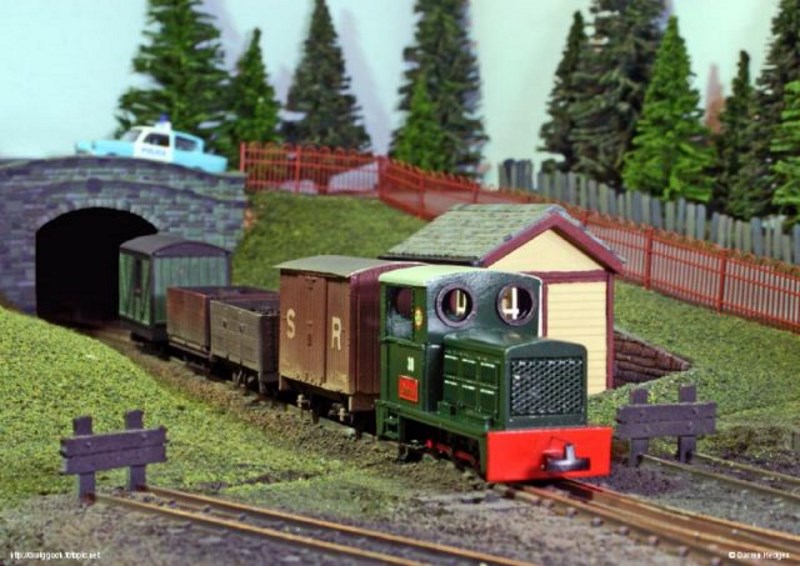
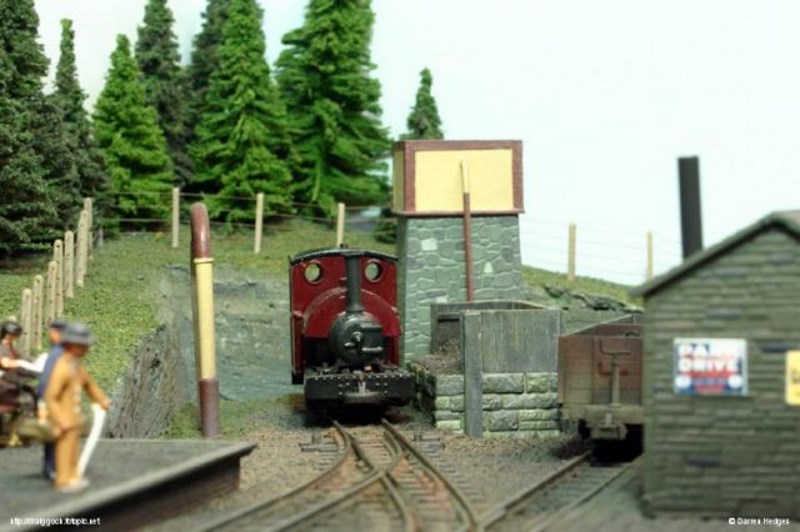
Draig Goch is one end of a fictional 2 foot gauge railway somewhere in North Wales. The general idea is that in the late 1880's local quarry owners got together to build a railway from the coast up the valley serving several slate and granite quarries along its route, with a couple of copper and lead mines. Narrow gauge was chosen to reduce the cost, and it was decided from the outset, that a passenger service would be provided for the local population.
The railway and the quarries it served were moderately successful until the late 1940's when the area fell on hard times. With the steady closure of the quarries that it served the railway found it harder and harder to make ends meet. With the line facing total closure in 1955, a group of enthusiasts from the North West and Yorkshire, inspired by the unexpected success down at the Tallylyn Railway, formed a preservation society, with the aim of keeping the railway open.
Since the group took over the line has gone from strength to strength, increased traffic levels requiring the sourcing of stock from other lines.
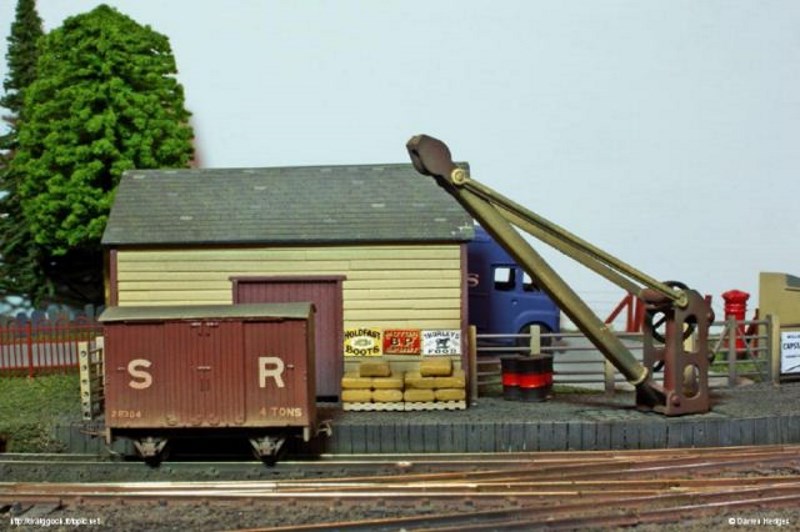
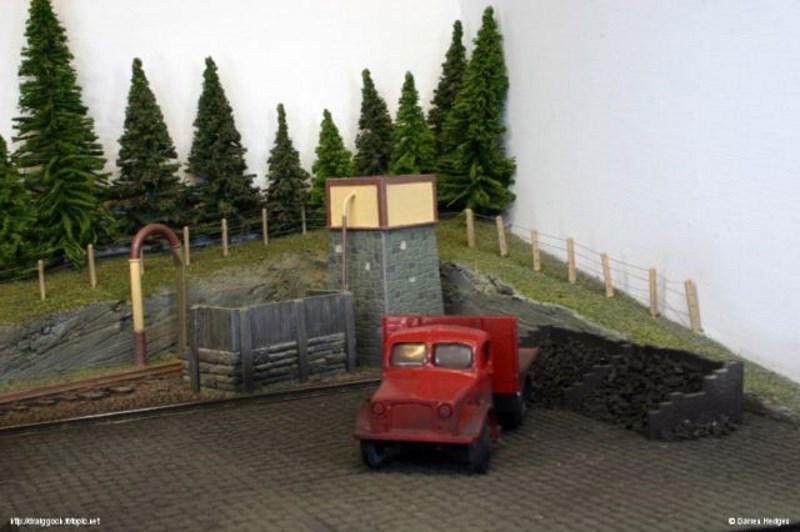
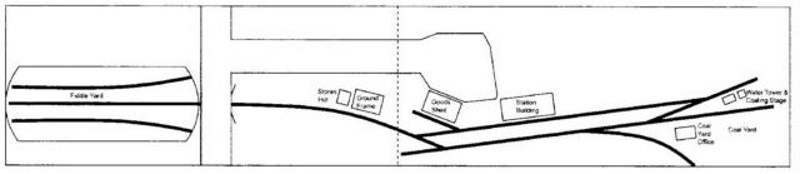
The layout consists of a terminus station with single platform, and run round loop, a siding serving a goods shed, and 2 sidings serving the coal yard. A three road sector plate is provided for the fiddle yard.
Track work is by PECO, and the points are operated by Tortoise slow action point motors. Buildings are from the WILLS range, painted in the house colours of cream with brown doors and windows. Most items of rolling stock are hand built from kits, together with a few ready to run items.
The layout is owned and operated by a member of the South Yorkshire group of the OO9 Society.
https://narrowgaugenorth.org.uk/index.php/societies/previous-years/85-public-news/exhibitors-previous?start=140#sigProId7884469c29