
Exhibitors : Previous
High Stamley
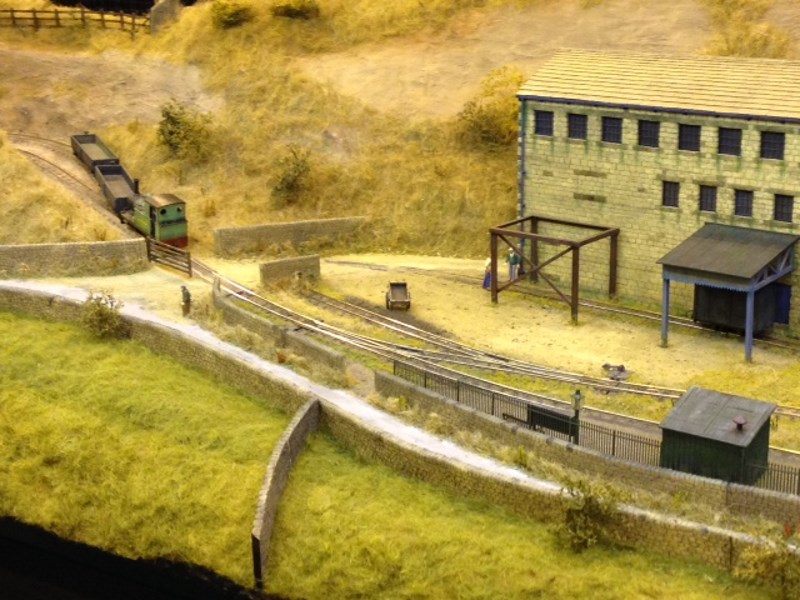
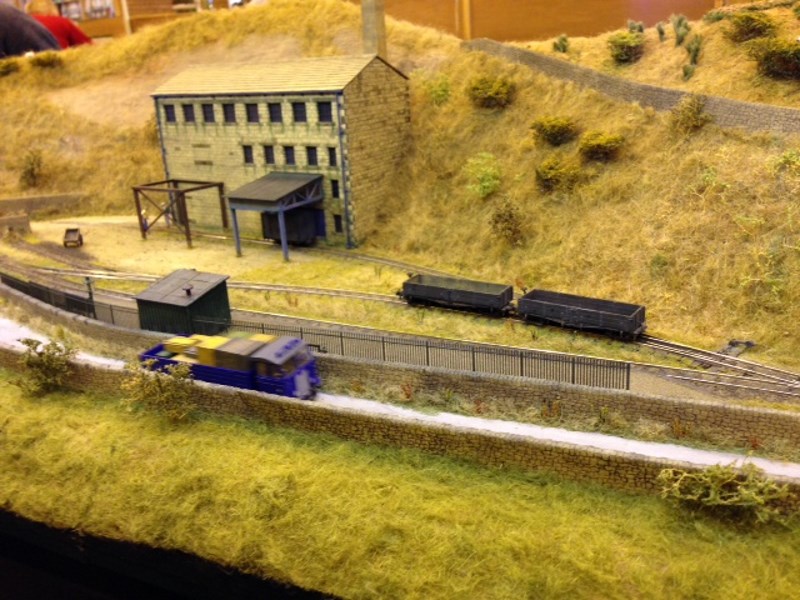
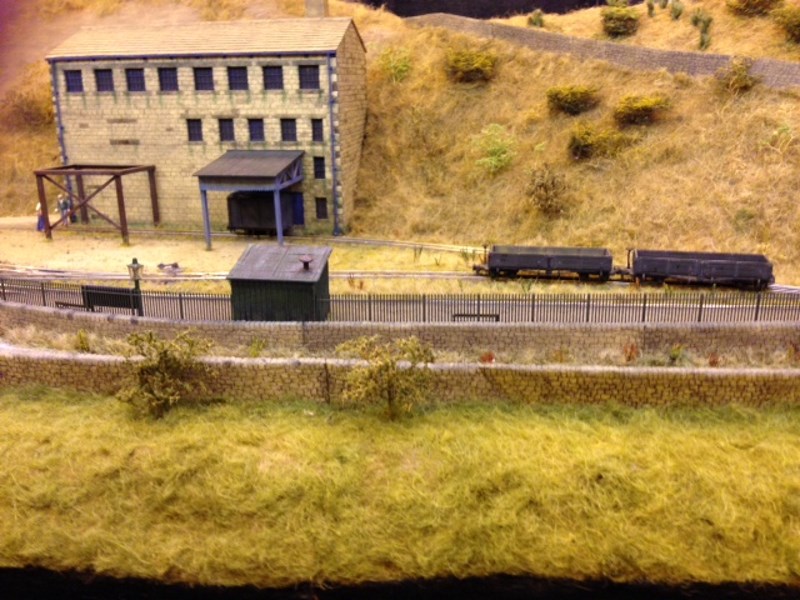
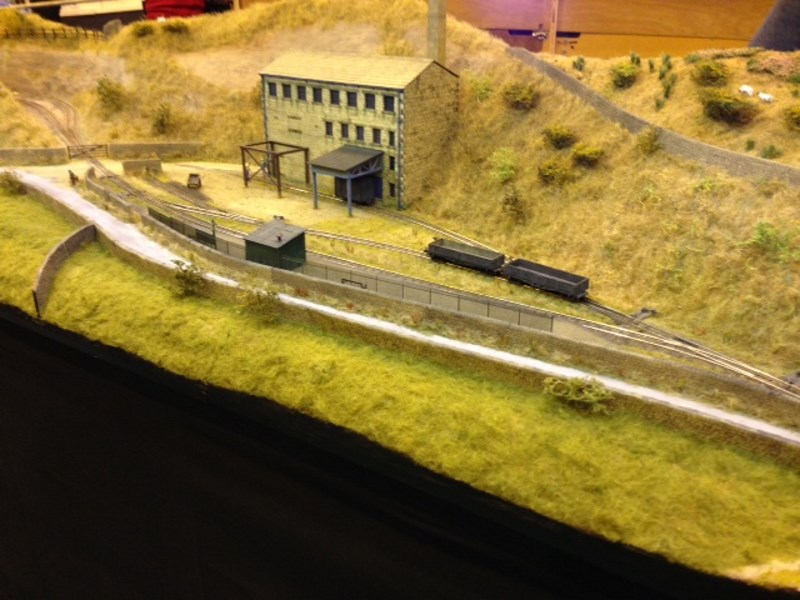
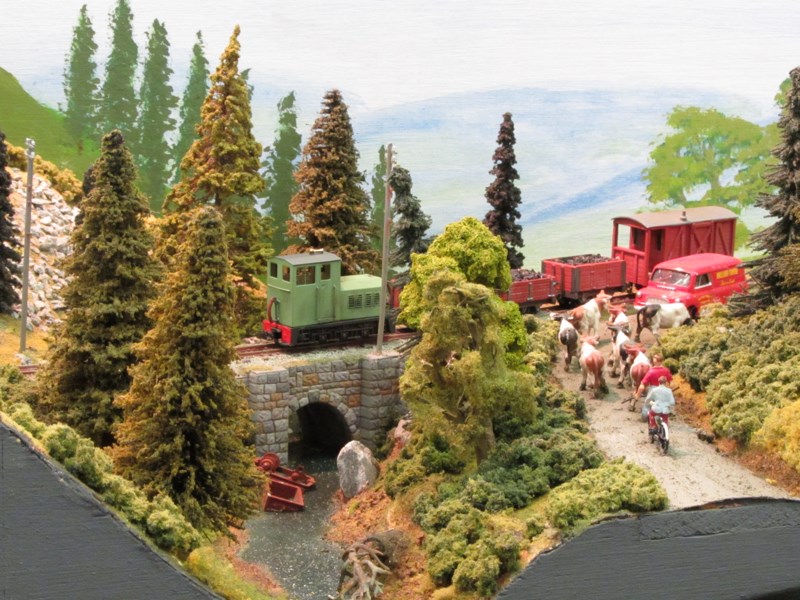
It had long been known that a good granite outcrop existed in the hills above Stamley, but with no proper transport it could only be worked in a small way for local use. The coming of the Roth Valley Tramway’s Ramton extension changed this and a short branch line was soon put in from Stamley station. Great things were expected, but with the First World War draining off the quarrymen, then the great depression, somehow the quarry never really seemed to get going.
By the period of the model, around 1935, only small amounts of road stone and paving stones are being produced. Short trains, often mixed, bring up the empty wagons and remove loaded ones, with the odd van or two for the mill behind the station.
Buses now run right up to High Stamley Village, about half a mile further along the valley, so few passengers bother with the train. Lorries too can be seen in the valley; it looks like time is almost up for this little branch line. It will carry on for now, so you can watch the odd wagons going to and fro up the steep incline to the quarry, whilst small trains continue up and down the valley to the main line. Don’t leave it too long – soon it will be silent as the quarry company has ordered a lorry!
When the line’s own Peckett 0-6-0ST is unavailable, trains are worked by locos belonging to the RVT, No.2 an ancient Hudswell Clark 0-6-0T or No. 8, a Hunslet 0-4-2T are the usual visitors. A bigger Hunslet 0-6-2T No.12 appears on occasions.
The Quarry Company usually uses a Kerr-Stuart 0-6-0T. An elderly Bagnall 2-4-0T sometimes takes a turn struggling up the bank and almost sliding back down with full wagons.
The only stock owned by the line is an ancient six wheeled coach and a small brake van. All other stock belongs to the RVT and has been seen on the other sections of the RVT previously exhibited.
The layout will also be appearing at the following shows :-
| York | York Model Railway Show | 19-21/02/14 |
-
 High Stamley
-
High Stamley
High Stamley
-
High Stamley
High Stamley
-
High Stamley
High Stamley
https://narrowgaugenorth.org.uk/index.php/societies/previous-years/85-public-news/exhibitors-previous?start=80#sigProIde900b246d9
Hirstwood Lock No.19
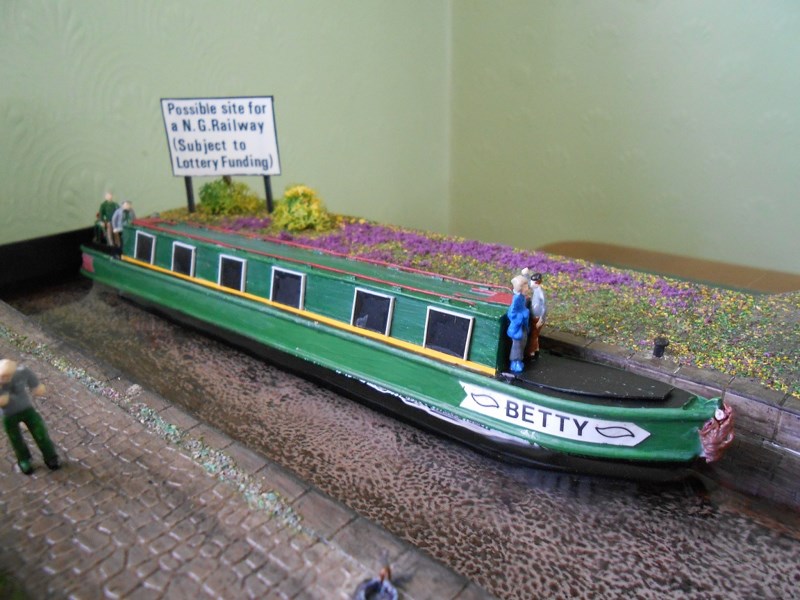
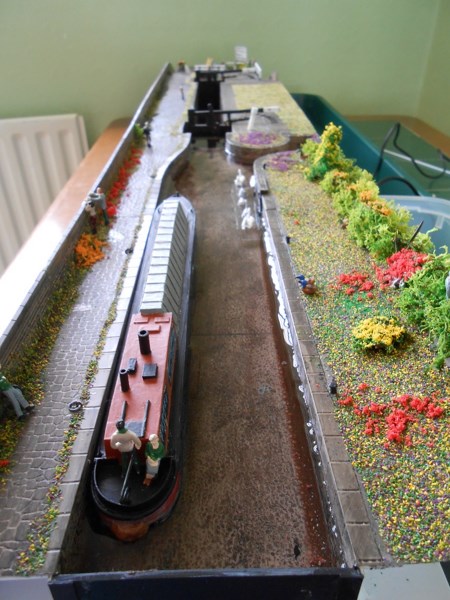
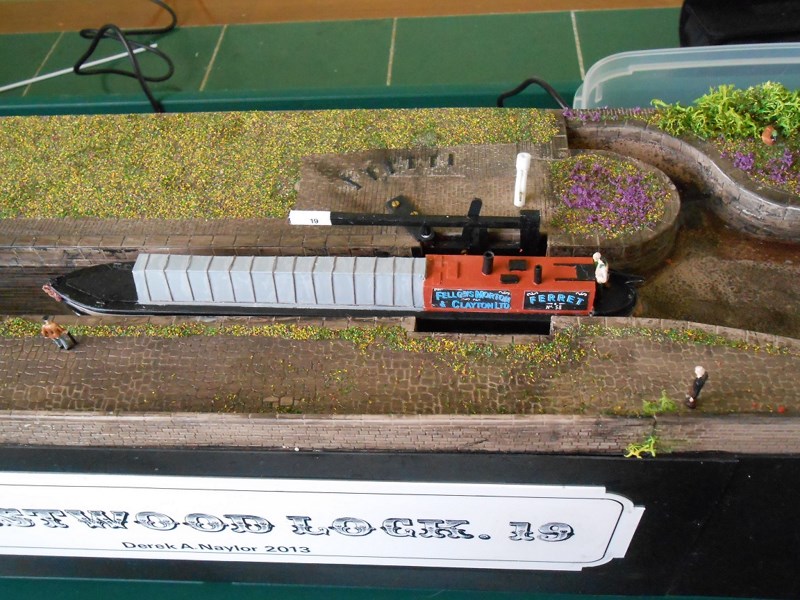
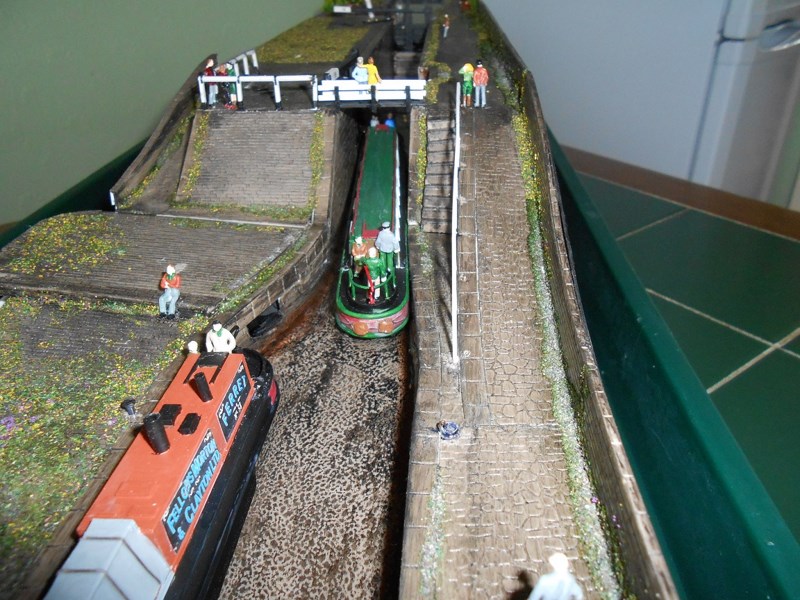
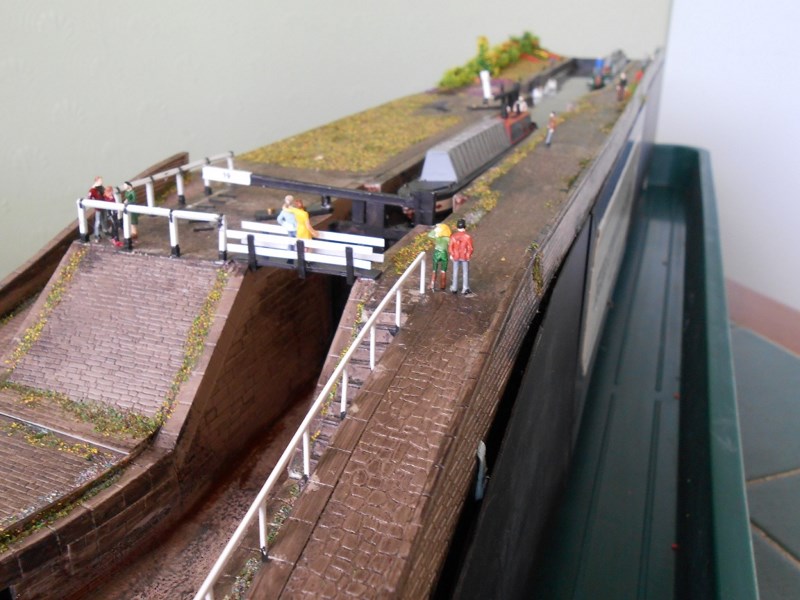
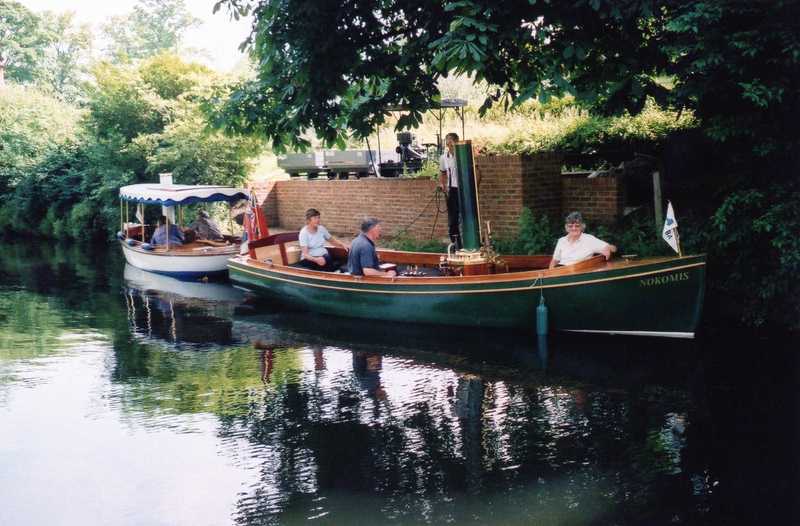
This is the second real water model I have made. The first was a Cornish style harbour in which the tide ebbed and flowed. Pretty simple. The lock proved.more of a challenge. . In the main is is constructed from plasticard. It is a freelance model of a narrow canal. I had looked at a broad canal but the narrow canal was simpler in so much as I could get away with single gates at each end of the lock. It's about the largest size I felt I could make a portable model. The scale is 1/96th (1/8 inch to the foot). The three narrow boats are also scratch built. They are to small, for me anyway, to fit motors which would also entail radio control. Instead they are propelled by a "twizzle" stick.
Questions are welcome.
-
Hirstwood Lock No.19
Hirstwood Lock No.19
-
Hirstwood Lock No.19
Hirstwood Lock No.19
-
Hirstwood Lock No.19
Hirstwood Lock No.19
-
Hirstwood Lock No.19
Hirstwood Lock No.19
-
Hirstwood Lock No.19
Hirstwood Lock No.19
https://narrowgaugenorth.org.uk/index.php/societies/previous-years/85-public-news/exhibitors-previous?start=80#sigProIdb2e96295d5
Crummack Valley
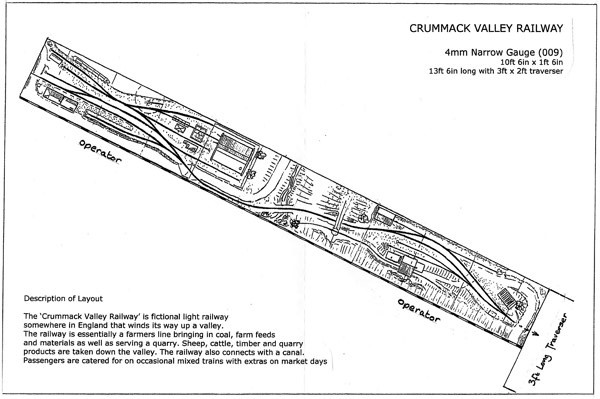
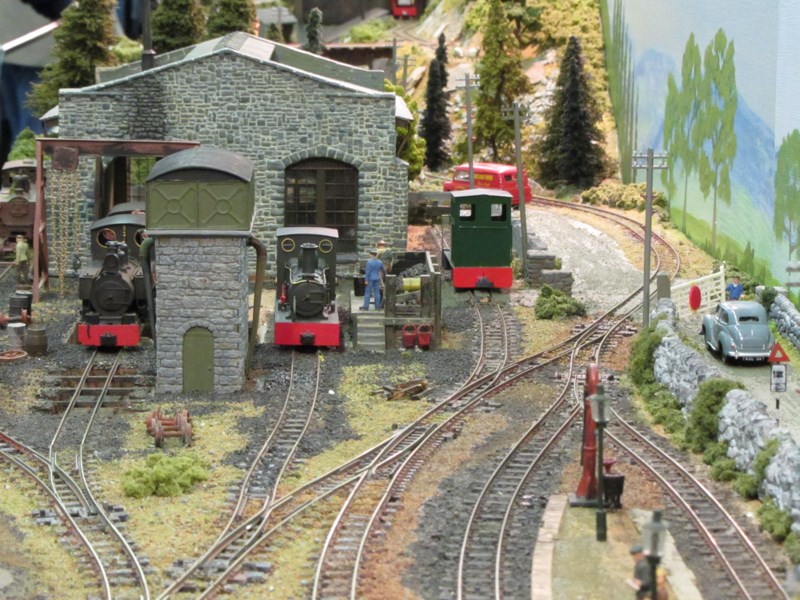
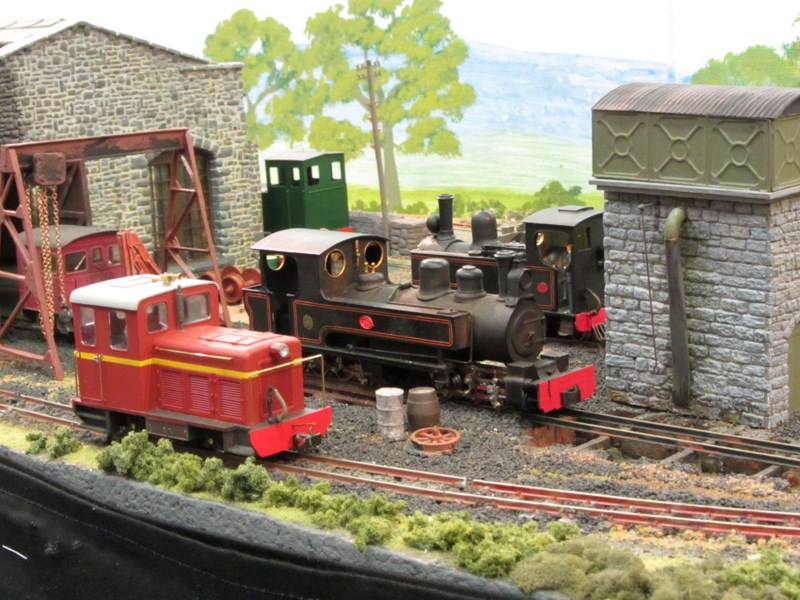
The Crummack Valley Railway is a fictional light railway somewhere in England, that winds its way up a valley. The railway is essentially a farmers line bringing in coal, farm feeds and materials, as well as serving a quarry. Sheep, cattle, timber and quarry products are taken down the valley. The railway also connects with a canal. Passengers are catered for on occasional mixed trains, with extra trains on market days, down the valley, and at weekends.
The operators are members of the 009 Society which caters for small scale narrow gauge modellers. We will be happy to answer any questions regarding the Society, the layout, the scenic and 009 modelling.
-
Crummack Valley layout plan
Crummack Valley layout plan
-
Crummack Valley
Crummack Valley
-
Crummack Valley
Crummack Valley
-
Crummack Valley
Crummack Valley
https://narrowgaugenorth.org.uk/index.php/societies/previous-years/85-public-news/exhibitors-previous?start=80#sigProId476f343a6d
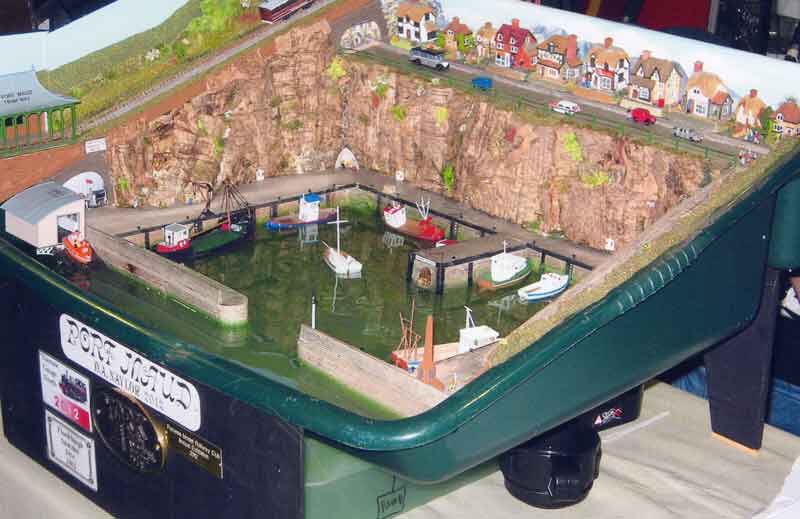
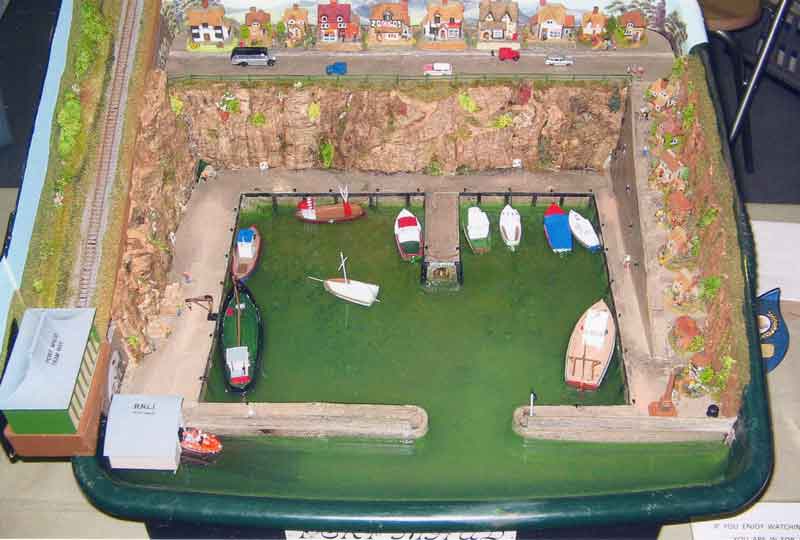
Port Maud
A layout by Derek Naylor
Scale 1:160
Gauge 9mm
The model is inspired by a small Cornish style harbour, and after 70 years of modelling, something a bit different.
The boats are resin hulls with details added using plasticard. The harbour walls are also plasticard, and the “baseboard” is a garden potting tray, thus items in contact with water are waterproof. The cable hauled tram is a simple added working item. The shops and houses are inexpensive resin properties.
I must be the only exhibitor who brings 12 pints of green water to a show. The tide ebbs and flows a bit fast, but any slower, it would be more interesting to watch paint dry!
https://narrowgaugenorth.org.uk/index.php/societies/previous-years/85-public-news/exhibitors-previous?start=80#sigProIda08648339c
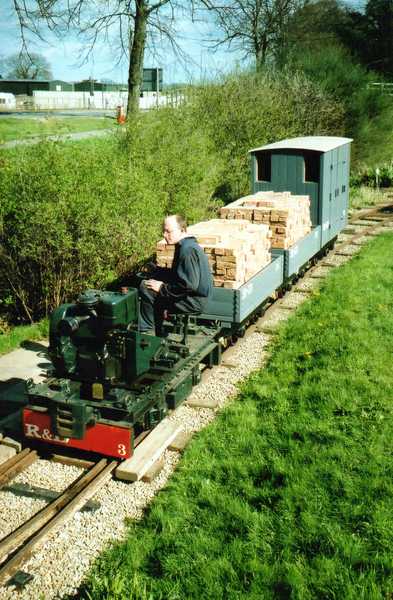
Ripon & District Light Railway
| By | Neil Clayton |
| Scale | 16mm/ft |
| Gauge | 32mm |
| Size | 140cm x 70cm |
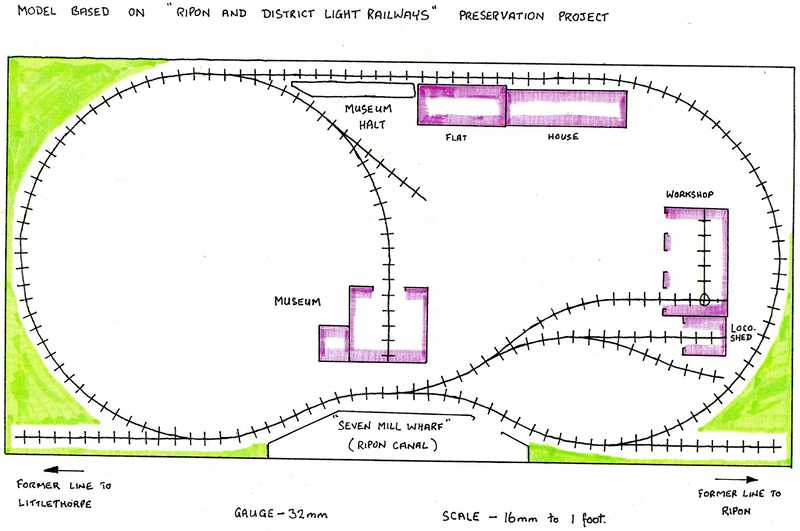
A 32mm gauge/16mm to one foot scale model of a lightly built 2 foot gauge, using Hudson track and rolling stock, and Lister locomotives.
History
In 1904, Power and Traction Ltd (better known as promoters of the Portmadoc, Beddgelert and South Snowdon Railway), gained Board of Trade permission to build a 3’6” gauge electric railway linking Ripon NER station to Ripon city and Fountains Abbey. Ripon city council, however, withdrew their planning permission, preventing construction.
WHAT IF………the scheme had gone ahead, with a revised gauge of 2’ to utilize the electric locomotives built for the PB&SSR?
After the main line had been built, a branch might have been added to Littlethorpe, to exploit brick and tile traffic from the numerous works.
The model represents a short section of the branch which may have survived long enough for a preservation project to take over. That project includes the works, loco shed, canal wharf and some surviving rolling stock. As on the nearby Roecliffe Brickworks railway, overhead electric power was eventually replaced by small diesel locos.
https://narrowgaugenorth.org.uk/index.php/societies/previous-years/85-public-news/exhibitors-previous?start=80#sigProId86d8407a6c
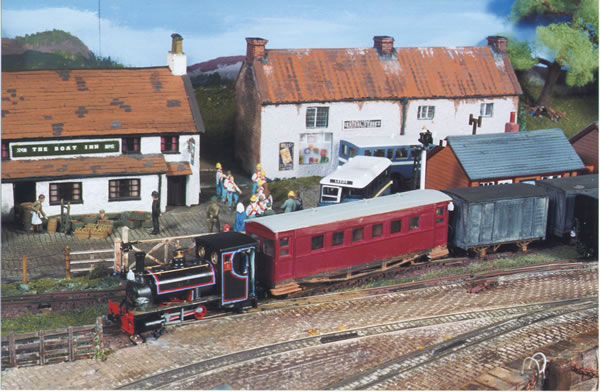
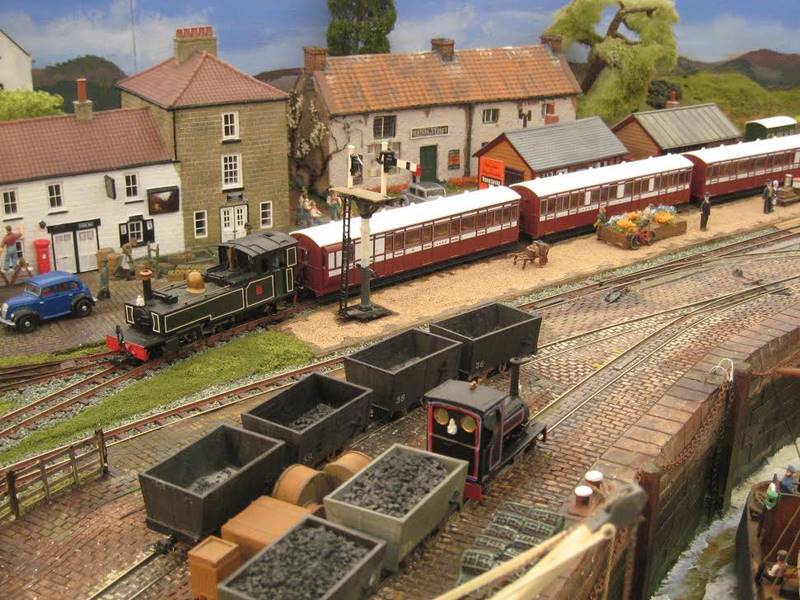
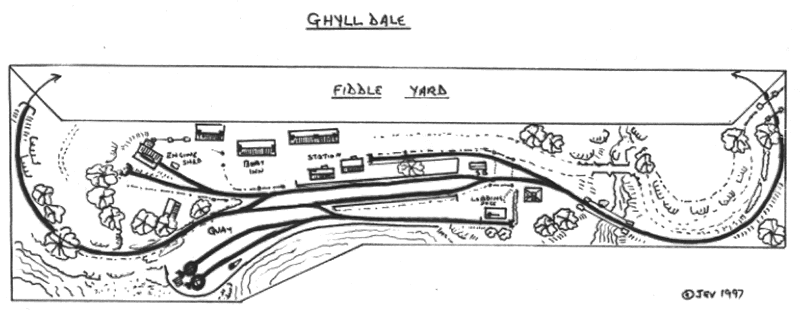
Ghylldale
A 009 layout by John Varley
Scale 4mm /Ft. (1/76)
Gauge 9mm 009
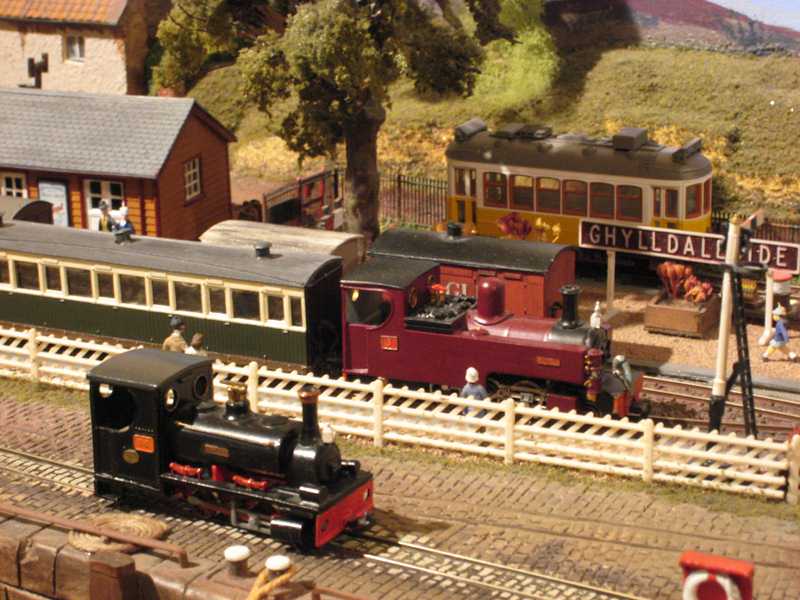
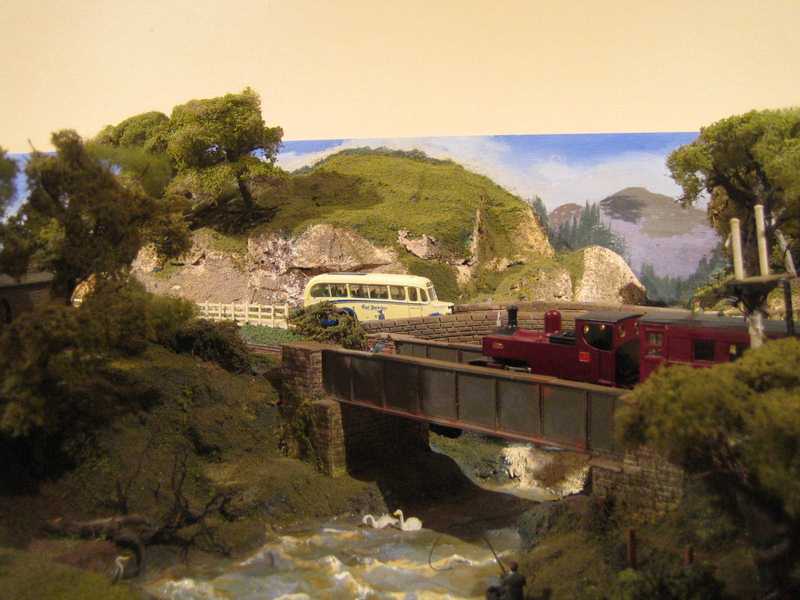
Ghylldale is an imaginary narrow gauge railway set on the Yorkshire Coast nestling beneath the North York Moors. Here the steep sided, sinuous valleys have been an obstacle to transport for centuries. Although standard gauge railways thread their way along Eskdale and Newtondale, some of the lesser known dales might well have been usefully served by the narrow gauge.
Let us imagine a small quay on the estuary of the River Rye. The little railway which serves it, provides an outlet for timber, stone, wool and other produce. Inward goods are in the form of coal, fertiliser, fish and all the necessities of life which the scattered communities of Ghylldale cannot produce for themselves.
Ghylldale takes its name from the fictional village which appeared on the cover of “Dalesman” magazine for many years. I am indebted to the late Mr. Jos Armitage, (IONICUS) who painted those pictures, for allowing me to use the title.
The quayside was made using DAS modelling compound, spread thinly onto a base of MDF or thick card. Whilst the DAS was still soft, the paving cobbles and the quay wall were impressed using a piece of plastic strip and a small screwdriver.
I am grateful to Darryl Foxwell who built the boats for allowing me to use them on the layout.
Buildings, typical of the Yorkshire coast and moors are being added all the time. The “Central Stores” are based on a shop of the same name, and cottages at Hutton-le-Hole. The low relief cottages behind the pub are a mirror image of “The Stocks” at Robin Hood’s Bay.
Most of the locomotives are based, some more loosely than others, upon prototypes built by famous Leeds engineers such as Manning Wardle, Hunslet Engine Co. and Hudswell Clarke.
The occasional visitor will appear from time to time. Amongst these, are freelance ‘Colonial’ type locomotives built by Gary Whiting. Gary, one of the earliest members of the 009 Society has built a number of larger narrow gauge locomotives. Some of these may be running during the show.
https://narrowgaugenorth.org.uk/index.php/societies/previous-years/85-public-news/exhibitors-previous?start=80#sigProId4241c9c0c5
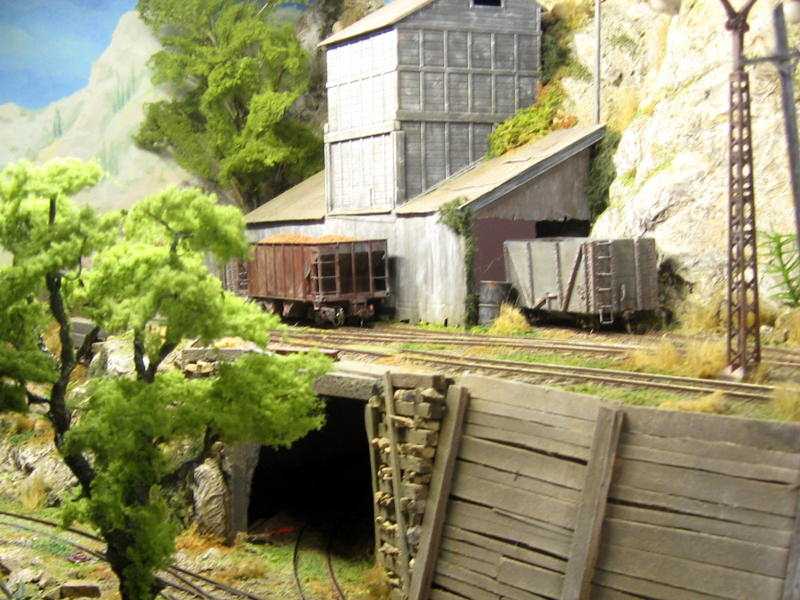
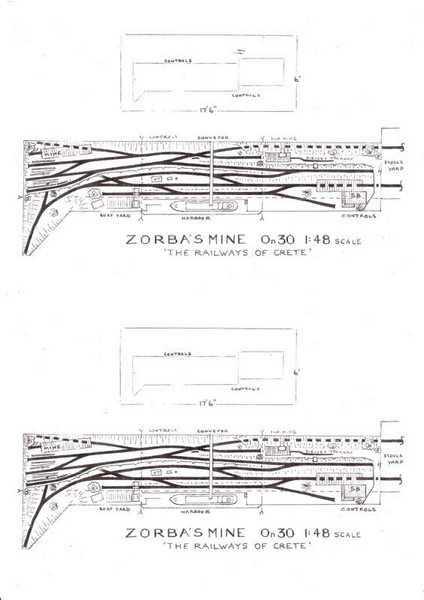
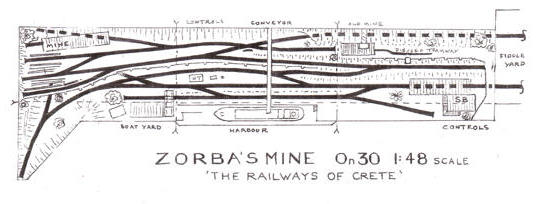
Zorbas Mine – The Railways of Crete
ORGANISMOS SIDIRODRODROMWN THS KRHTHS
A layout by Baz Ward and Friends
Scale: 1:48
Gauge 16.5mm [On30]
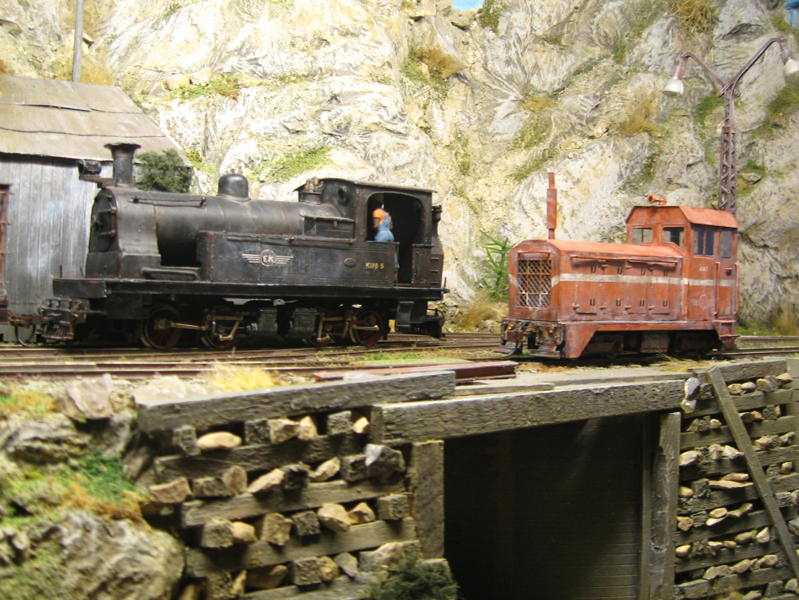
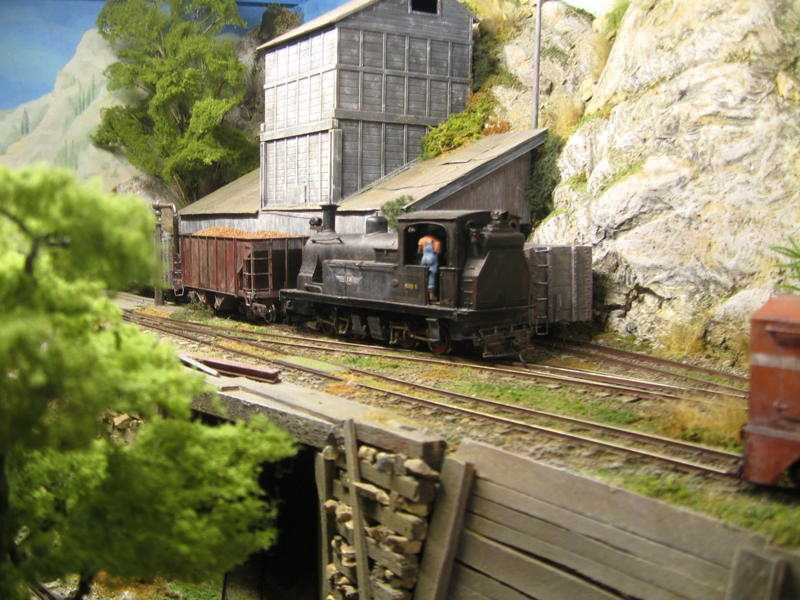
Around the turn of the century, an unnamed investor with his works manager, George, opened a small lignite mine on the south coast of Crete. However, this was to end in disaster as chronicled in the novel Zorba the Greek by Nikos Kazantzakis. Others were to take up the challenge.
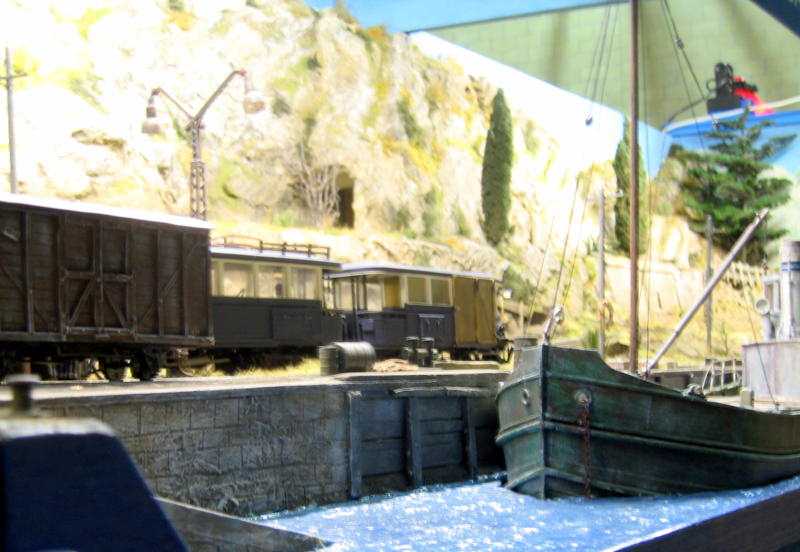
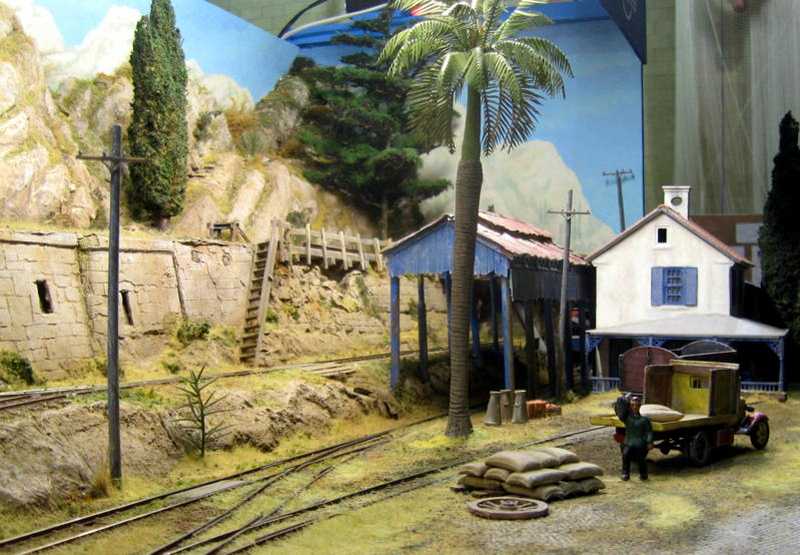
Meanwhile between various Balkan wars and the start of the First World War, the British engineered to take over the administration of the island, and what did they do when they moved in anywhere? - they built a railway! In this case to the gauge of 2'6'', it borrowed heavily from the existing railways in Cyprus and Malta. The initial main line along the north coast was soon extended south from Iraklion to tap the rich agricultural lands of the interior and the mineral resources of Mount Ida. An extension further south through the Kofinas Range provided a route to coastal shipping and was incidentally to connect to a local lignite mine, still known as Zorbas. This required heavy engineering works including a zig-zag formation down to the coast itself.
All this, of course, only exists in a parallel universe, but it gives an excuse for a freelance On30 layout with both british and continental practice and later greek influence.
Locomotives both steam and diesel are an eclectic mix of kit and adapted bodies [Bachmann, A1 Models, the scrap box] on Hornby, Bachmann, Fleischmann and american chassis. Rolling stock is adapted Bachmann, Magic Train and Port Wynnstay castings. Control is still analogue but plans are afoot to convert to DCC when we have the courage! A Greek Z Class tank engine and a Mitsubishi diesel [for A1 Models] are on the way.
Thanks to A1 Models, Greenscene, Modelex,Port Wynnstay, Contikits, Monk Bar Models of York and the still loyal crew – John Lundie, Alan Robinson and Tim Hills.
We are here to answer your questions and take the flak, so please don't hesitate to interrupt our reverie.
https://narrowgaugenorth.org.uk/index.php/societies/previous-years/85-public-news/exhibitors-previous?start=80#sigProId430963f9fa